Category: News

  • CO legislative session underway

    CO legislative session underway

    The 2026 Colorado legislative session bills that CWF is following closely :

    HR 26-1008, Colorado Outdoor Opportunities Act, “Concerning measures to enhance outdoor recreation opportunities in the State, and, in connection therewith, expanding the Division of Parks and Wildlife’s capability for outdoor recreation coordination, planning, and management.” Sponsors are Representatives Luken and Taggart and Senators Marchman and Rich. The bill was heard on February 23 and passed the committee on a 9-4 vote. Now it moves to House Finance Committee. CWF took a neutral position on the bill as we had urged and will continue to urge inclusion of the bedrock mitigation hierarchy: avoid, minimize, or as a last resort, mitigate impacts to wildlife especially CPW’s identified High Priority Habitats. The bill passed the House and on March 26 passed the Senate Agriculture and Natural Resources Committee on a unanimous vote, moving the bill forward. https://leg.colorado.gov/bill_files/110680/download

    Another concern was the need to clarify that wildlife cash funds will not be expended to implement this bill but rather parks funds will be the source for expenditures. This concern was addressed with amended language in the Legislative Declaration.

    SB 26-030, Local Access State Parks Grant Program. This bill would have modified how, “after allocation of the first $36 million paid by motorists into the Keep Colorado Wild pass fund, any remaining money is allocated. The bill would have created the state park and state wildlife area cash fund to support local governments in efforts to improve roads and other infrastructure that provide local access to state parks and state wildlife areas accessed from within a local government’s boundary (local access). ” The bill was assigned to the Senate State, Veterans & MiIitary Affairs Committee and heard on February 10. The bill failed on a 1-4 and was laid over. vote.https://leg.colorado.gov/bill_files/110742/download CWF testified in opposition to the bill. The reason we opposed is that the Keep Colorado Wild pass fund proceeds after the first $36 million are designated under the 2021 legislation to be allocated to the wildlife cash fund and the parks fund. The wildlife cash fund includes the Colorado State Wildlife Action Plan. There are 182 vulnerable species and their habitats that require research and habitat restoration work. We acknowledge the great financial expenses faced by counties for maintenance of roads leading into state parks and state wildlife areas. But, eliminating the uses of the fund after the first $36 million is not the solution. We need, instead, a process for all of the parties to sit down together and work through this serious funding need the counties are facing.

    CWF also is following other bills that are expected to be scheduled for hearings soon and will update this website page as new developments occur.

    HB 26-1323 “Concerning Wildfire Resiliency Through Prohibition on the Taking of Beavers on Public Lands in the State” https://leg.colorado.gov/bills/HB26-1323

    The bill would have prohibited taking of beavers on public land for a recreational purpose or commerce in beaver fur, parts or products. If the CPW Commission adopts rules, the rules “must ensure that the role of beavers in the wildlife resiliency of public land is protected.” The bill was heard Monday March 23 in the House Agriculture, Water & Natural Resources Committee. CWF testified in opposition to this bill. The Committee voted 10-3 and laid over the bill indefinitely. Colorado Parks and Wildlife (CPW) had finalized its beaver management plan in February following an extensive stakeholder process and public comments on the CPW’s engage website.

    SB 26-141 Wildlife Collision Prevention. http://leg.colorado.gov/bills/SB26-141This bill will authorize an optional $5 collision prevention fee which will be collected at the time of vehicle registration beginning in fiscal year 2028-2029. The purpose of the fee is to help fund wildlife highways crossings and other safe passage projects to reduce wildlife-vehicle collisions and improve habitat connectivity. CWF strongly supports this bill and testified before the Senate Transportation and Energy Committee on March 25. The Committee voted 7-2 to move the bill forward to the Senate Finance Committee and Senate Finance Comm voted on March 31 7-0 to advance the bill to the Appropriations Committee.

  • Welcome Tim Emery, CWF’s New Board Chair

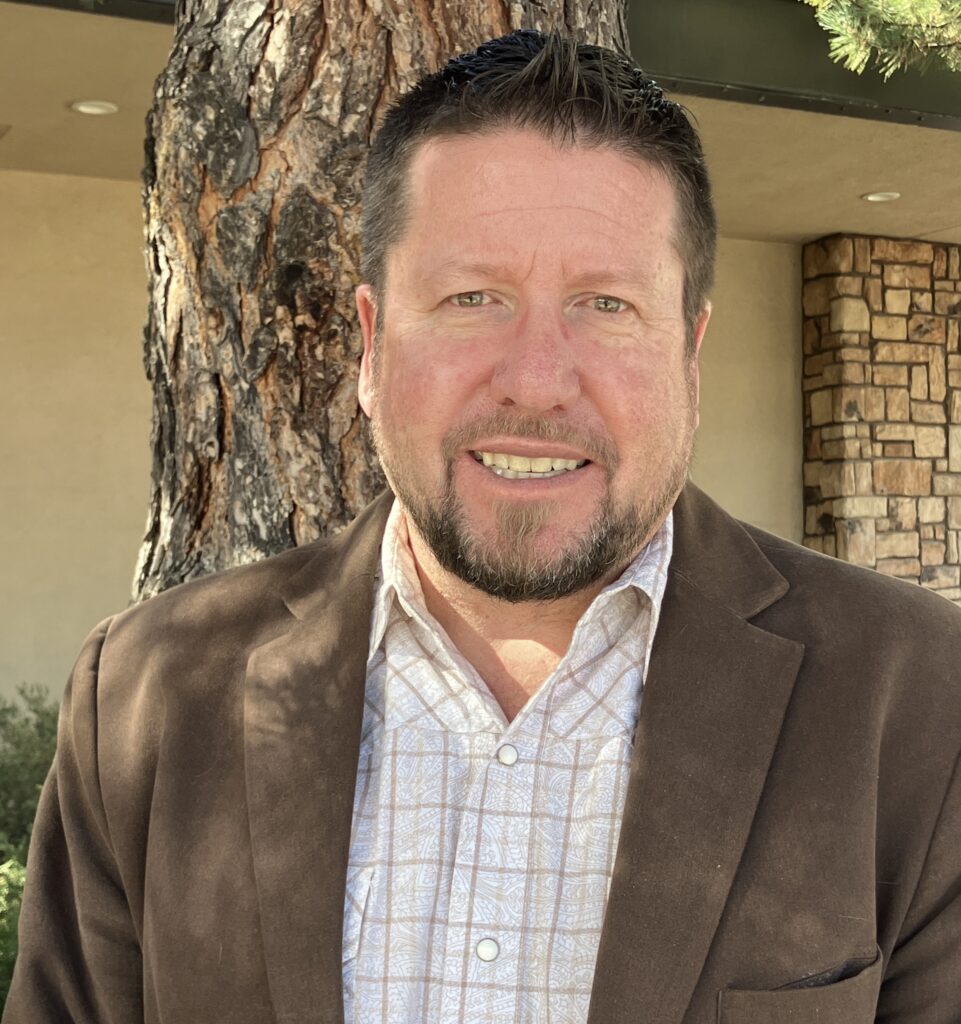
    Welcome Tim Emery, CWF’s New Board Chair

    I’ve spent much of my life advocating for Colorado’s hunting and fishing heritage through my work with the Colorado Wildlife Federation. As the newly elected President and Board Chair, I’ll work to uphold the core belief that conservation, hunting, and fishing are inseparable—and that wildlife is best managed through science, ethics, and active participation by the whole of the outdoor community, including sportsmen and women. As a lifelong angler and outdoorsman, I’ve carried that perspective into public service, including my time representing anglers on the Colorado Wildlife Council from 2012 to 2020, where I helped educate the public and policymakers on the benefits of hunting and fishing to Colorado’s wildlife and way of life.

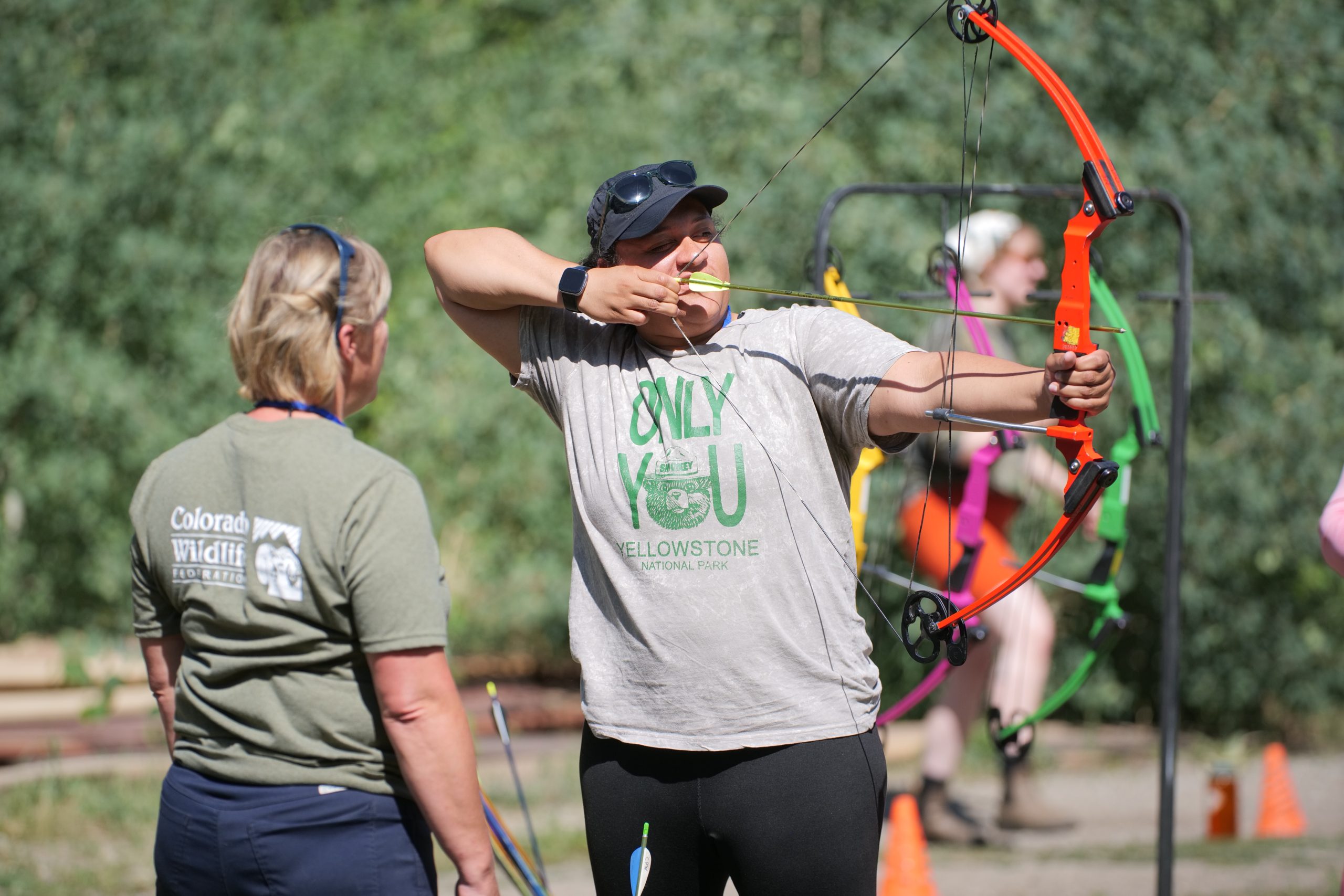
    Looking forward, my focus is on building a stronger, more effective Colorado Wildlife Federation. That means raising the money necessary to support conservation that delivers real results, increasing awareness of CWF’s mission, and expanding hands-on programs that bring new people into the outdoors the right way. I’m committed to growing proven efforts like Becoming an Outdoors-Woman, strengthening SWAP education, and hosting more on-the-ground events that teach ethics, access, and responsible stewardship. The future of conservation in this state depends on education, engagement, and a wider tent—and I intend to lead a Federation that is financially sound, publicly visible, and firmly rooted in Colorado’s outdoor traditions.

    One of our guiding principles as an organization is that: “The tradition of ethical hunting and fishing is a valuable part of human culture and of Colorado’s heritage. Properly regulated hunting and fishing is consistent with sound wildlife policy and provides important physical, educational, and esthetic benefits to the participants.” At the same time, I’m realistic about the challenges we face. Colorado sportsmen and women are under increasing pressure and if we don’t stay engaged, organized, and vocal, we risk losing rights that were hard-earned and never guaranteed. My responsibility is to ensure the Colorado Wildlife Federation stands firm—defending our heritage, advocating for sound wildlife policy, and making sure sportsmen and women have a credible voice where decisions are actually made.

    In the end, this is about stewardship, legacy, and responsibility. I believe that hunting and fishing aren’t hobbies to be tolerated—they are cornerstones of wildlife conservation and part of Colorado’s identity. I intend to lead with that conviction. By strengthening the Colorado Wildlife Federation, expanding education and outreach, and standing firm against efforts that undermine science-based management, I will work to ensure that future generations of Coloradans can hunt, fish, and enjoy the outdoors with the same opportunities we’ve had. That’s the job. And I’m committed to doing it.

    Sincerely,
    Tim Emery
    President and Board Chair, Colorado Wildlife Federation

  • CWF Congratulates Laura Clellan

    CWF Congratulates Laura Clellan

    On behalf of the Colorado Wildlife Federation, we proudly congratulate Laura Clellan on her appointment to leadership at the Colorado Parks and Wildlife. We have had the opportunity to meet with her three times, and each conversation reinforced our respect for her thoughtful, steady approach and her genuine willingness to listen. She understands the responsibility of serving sportsmen and sportswomen, landowners, and conservation partners, and has demonstrated a clear commitment to keeping all voices at the table while making sound decisions for Colorado’s wildlife and future.

  • Conservation in the West poll- Colorado findings

    Conservation in the West poll- Colorado findings

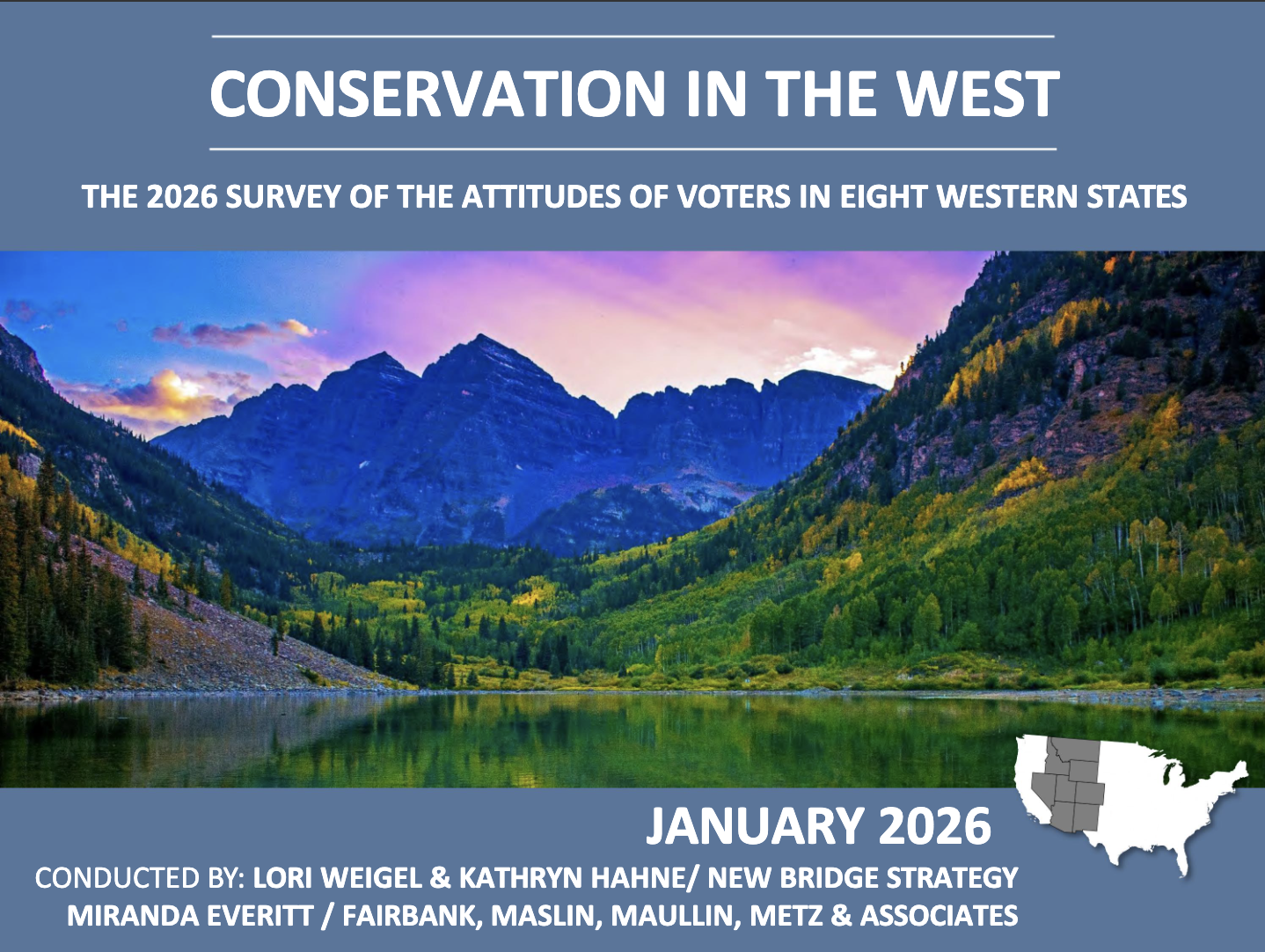
    The 2026 Conservation in the West Poll was conducted in January. As in past years it is a bi-partisan poll of voters in 8 western states. \For Colorado a key finding is that 89 % of Colorado voters “believe loss of habitat for fish and wildlife is an extremely or very serious problem. ” 62% ” believe rollbacks of laws that protect our land, water, and wildlife are an extremely or very serious problem.” 78% “prefer that leaders place more emphasis on protecting water, air, wildlife habitat, and recreation opportunities over maximizing the amount of land available for drilling and mining.” 78% “believe removing Clean Water Act protections from smaller streams and seasonal wetlands will have a negative impact.

    Here is the link to the complete poll.

  • GOGO and CPW award regional partnerships’ support grants

    GOGO and CPW award regional partnerships’ support grants

    Great Outdoors Colorado (GOCO) and Colorado Parks and Wildlife announced the $ 9.99 million in grant support awards for 19 regional partnerships in this round of funding. There grant awards are the first in a five-year annual grant cycles that help to support capacity and projects developed by the individual regional partnerships. Here is the Governor’s press release. They advance the north start goals in Colorado’s Outdoor Strategy guidance document to foster climate resilient conservation and sustainable outdoor recreation. Here are the projects:

    Outside 285, a regional partnership in which CWF actively participates was awarded a support grant for trail upgrades and sensitive habitat on iconic “fourteeners.”

  • CO Dept Public Health & Env. Issues Rules as good first step to better protect Colorado’s waters

    CO Dept Public Health & Env. Issues Rules as good first step to better protect Colorado’s waters

    CWF has been a party to the Colorado Department of Public Health and Environment rulemaking pursuant to the law passed in 2024. We are pleased with this first step to better protect Colorado’s waters due to the ruling last week. CWF also participates in a coalition of 26 wildlife-related and other conservation organizations, CO Protect Our Waters Campaign. Below is the coalition’s press release:

    Colorado Steps Up to Protect Wetlands and Streams

    DENVER —The Protect Colorado Waters Coalition is pleased Colorado took significant steps to protect vitally important wetlands and streams in the state that were under threat of unregulated development after federal rollbacks.

    The Water Quality Control Commission (WQCC) on Wednesday evening issued rules setting the requirements for a dredge and fill permitting system that ensures most Colorado waters, including wetlands, can’t be destroyed without going through a state environmental review process.

    By adopting these rules, Colorado became the first state in the nation to develop a state permitting program after the Supreme Court limited the scope of the Clean Water Act.

    The coalition appreciates the WQCC’s work setting up a comprehensive dredge and fill program for Colorado’s waters. 

    The coalition helped secure key provisions concerning the scope of waters that are protected, compensatory mitigation, and language regarding ditches and alternatives. The rules also streamline the permitting process and provide important clarity for project proponents. 

    These rules are even more critical given efforts to continue rolling back federal protections. Just last month, the federal government proposed further limiting the Clean Water Act such that it would no longer protect 97% of Colorado’s remaining wetlands and 68% of the state’s stream miles. 

    This would not have been possible without the unwavering commitment of Speaker Julie McCluskie, Representative Karen McCormick, and Senator Dylan Roberts toward passing HB24-1379.

    While the rules are not everything the coalition sought, this is an important first step for Colorado’s environment and economy. Because of the hard work of the state legislature, the Colorado Department of Public Health and Environment and the Commission, Colorado’s waters are better protected.  


    The Protect Colorado Waters Coalition is made up of 26 organizations, working on freshwater conservation and representing more than 200,000 Coloradans. The coalition collaborated with the Colorado General Assembly in 2024 to enact strong bipartisan protections for Colorado waters and wetlands after a significant2023 U.S. Supreme Court decision weakened decades of federal clean water protections. This was the most substantial erosion of provisions of the Clean Water Act since it was enacted in 1972.

  • Zinke, Beyer Introduce bill to reauthorize Wildlife Crossings Program

    Zinke, Beyer Introduce bill to reauthorize Wildlife Crossings Program

    On November 18, 2025, Representatives Ryan Zinke (R-MT) and Don Beyer (D-VA) introduced a bi-partisan bill to reauthorize the Wildlife Crossings Program. The bill would authorize funding through 2031. Colorado and many other states have received grants under the 2021 Infrastructure Investment and Jobs Act. This important Program was developed to reduce highway collisions between vehicles and wildlife, saving lives, improving road safety, and safeguarding wildlife migration corridors. For example, it enabled Colorado Department of Transportation (CDOT) to design and construct the overpass project on I-25 south of Castle Rock, at the Greenland interchange. CDOT provided the required match. Colorado Parks and Wildlife confers with CDOT on highway crossing projects. 

     https://www.codot.gov/projects/i25greenlandwildlifeoverpass

    The bill first will need to be heard by the House Transportation Committee.

  • CPW completes its work on the 2025 State Wildlife Action Plan

    CPW completes its work on the 2025 State Wildlife Action Plan

    Colorado Parks and Wildlife has completed its work on the 2025 State Wildlife Action Plan and has submitted the Plan to the US Fish and Wildlife Service, as required. The purpose of the Plan is to guide conservation actions for species of greatest conservation need and to identify species of greatest information need. The Plan updates the 2015 version. CWF provided public comment as the plan was developed. The dashboard is comprehensive, providing information on each species in Colorado.  See https://cpw.state.co.us/state-wildlife-action-plan

    The Plan is a key plan under the umbrella of the Colorado’s Outdoors Strategy guidance document. See https://cpw.state.co.us/coloradosoutdoorsstrategy

    Implementation of the Plan is necessary to conserve Colorado’s wonderful biodiversity. CWF is evaluating the role we will undertake in this process. 

  • Dept. of Interior Proposes Rescinding 2024 Public Lands Rule

    Dept. of Interior Proposes Rescinding 2024 Public Lands Rule

    On  September 10, 2025, the Department of the Interior announced it proposes to rescind the 2024 Public Lands Rule.  The purpose of the BLM’s Public Lands Rule was to elevate conservation so that it would be fully considered an essential equal element in the agency’s work to balance multiple uses. CWF had applauded the Rule because it enabled conservation to gain equal footing among the array of multiple uses BLM must manage. It emphasized ecosystem resilience, intact and connected landscapes, and on setting priorities for restoration of degraded lands. The Rule had been finalized April 18, 2024.

    Department of the Interior views the Rule as providing ” an outsized priority on conservation or no-use at the expense of multiple-use access, threatening to curtail grazing, energy development, recreation and other traditional land uses.” The press release also characterizes its removal as the elimination of unnecessary barriers to energy development. It complements Sec. Order 3418 February 3, “Unleashing American Energy.”   DOI Press release

    We note that in the BLM Colorado third quarter 2025 lease sale on Tuesday, September 9, all of the 14 parcels listed for sale were sold. Results of Lease Sale

    Further, Congress is working to use a Congressional Review Act (CRA) to overturn BLM Resource Management Plans in 3 states (Alaska, North Dakota and Montana). This could create mass uncertainly for public lands management throughout the West if it begins to erase BLM management plans because they govern the land use on the lands it manages. Stay tuned and we will update.


  • Senate withdrawal of public lands sell-off in budget bill

    Senate withdrawal of public lands sell-off in budget bill

    On June 28, Senator Mike Lee, Utah, announced that he has withdrawn his public lands sell-off provision from the Senate budget reconciliation bill, after several tries to include it in the bill. At least the disposal threat in this bill has ended. We thank Rep. Hurd for his work in the House to help ensure a similar provision was defeated before the bill moved to the Senate. We also thank our Senators for their work during this threat to Colorado’s public lands.